Blog
PCB Nylon Roller Brush for Cleaning Line | Industrial PCB Brush Manufacturer & Supplier

PCB nylon roller brush is widely used in modern PCB manufacturing processes for surface cleaning, dust removal, and precision pre-treatment. In automated production lines, especially in etching, developing, and cleaning sections, the performance of the roller brush directly affects PCB surface quality and final yield rate. Because of this, more manufacturers are paying attention to selecting a stable and durable PCB cleaning brush roller instead of using general-purpose industrial brushes.
A PCB nylon roller brush is typically made from high-quality nylon filaments such as Nylon 6 or Nylon 66, which provide a balance between flexibility and wear resistance. Compared with steel wire brushes, nylon roller brushes are less aggressive and significantly reduce the risk of scratching copper traces or damaging fine circuit patterns. This makes them ideal for precision electronics production.
Applications of PCB Nylon Roller Brush
PCB roller brushes are mainly used in automated PCB production lines, including:
- PCB surface cleaning after etching process
- Residue removal during developing stage
- Dust and particle cleaning before coating or printing
- Conveyor-based continuous cleaning systems
- Anti-static cleaning environments in electronics manufacturing
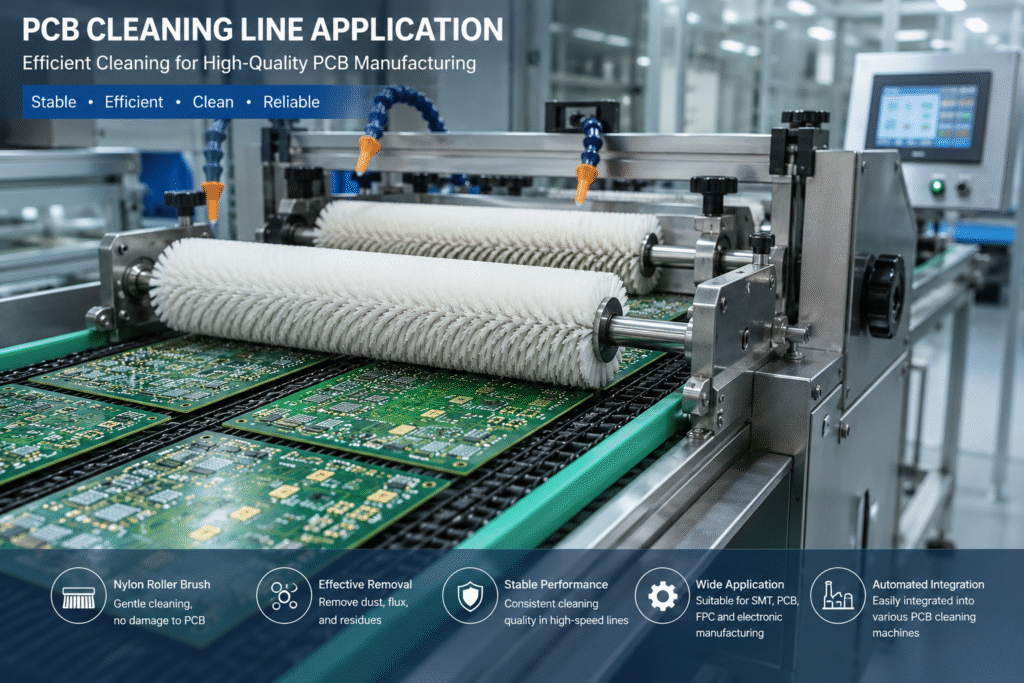
In these applications, consistency is more important than aggressive cleaning. That is why industrial nylon brush rollers are preferred in most PCB cleaning machines.
Types of PCB Cleaning Roller Brushes
Different production requirements require different brush configurations. The most common types include:
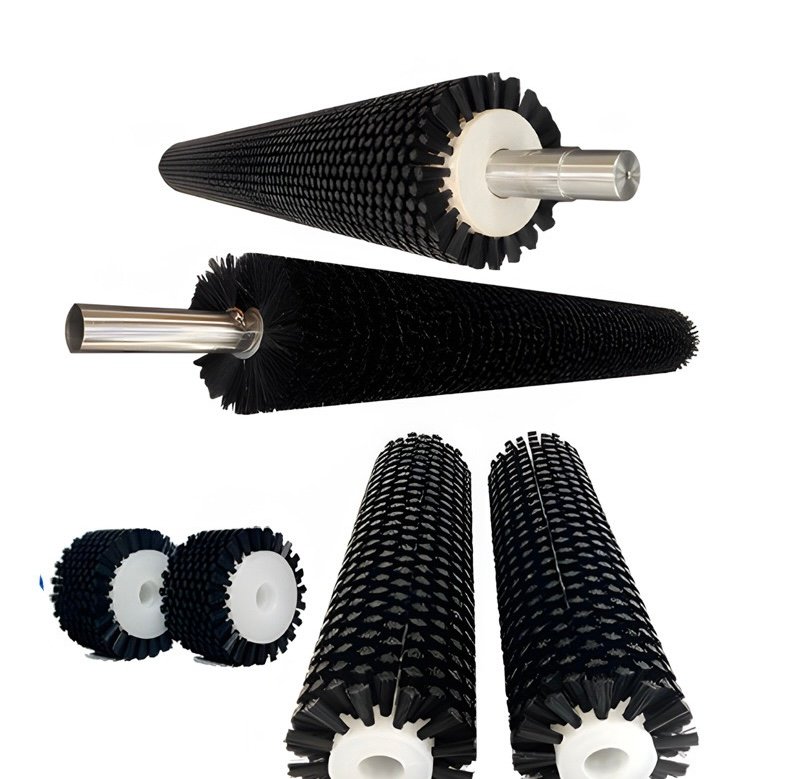
Standard PCB Nylon Roller Brush
Used in general PCB cleaning lines, offering stable performance and long service life.
Anti-Static Nylon Roller Brush
Designed for sensitive electronic manufacturing environments where static control is required.
Custom PCB Roller Brush
Fully customizable based on machine structure, including diameter, length, filament density, and shaft type.
With Shaft vs Without Shaft Design
PCB roller brushes are available in two main structural types:
With shaft roller brush
This type is directly installed into automated PCB cleaning machines. It provides higher stability and is suitable for high-speed production lines.
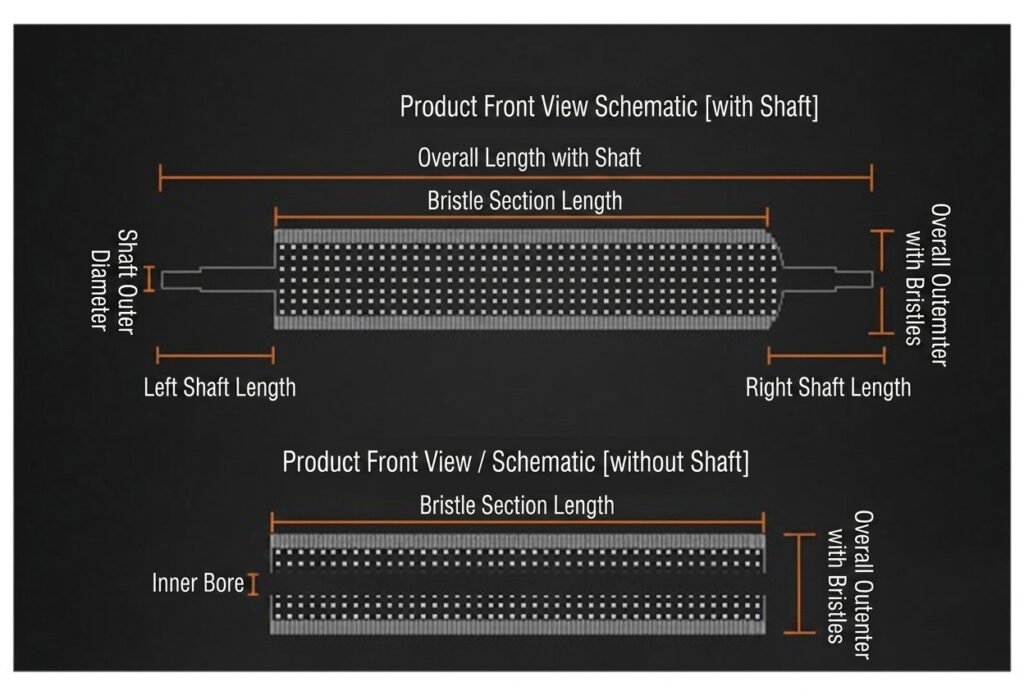
Without shaft roller brush
This version is commonly used for OEM replacement or internal core installation. It allows more flexible customization depending on equipment design.
Nylon Filament Material and Performance
The performance of a PCB nylon roller brush mainly depends on filament quality. Industrial-grade nylon materials such as Nylon 6 and Nylon 66 are widely used due to their strong wear resistance and stable mechanical properties.
Key features include:
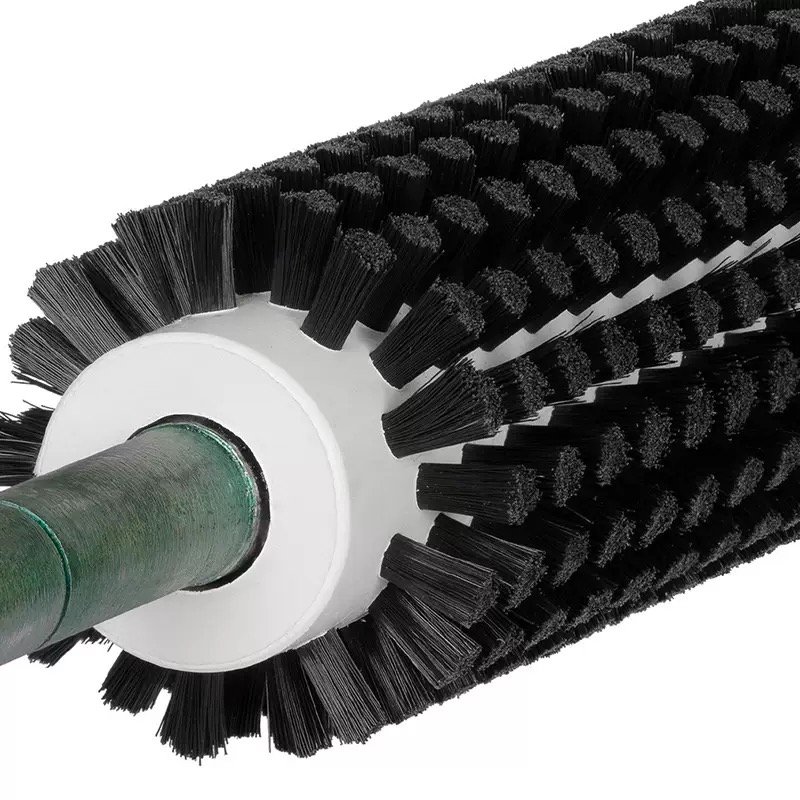
- High durability under continuous operation
- Controlled cleaning pressure
- Good elasticity and recovery performance
- Optional anti-static and chemical-resistant treatment
Filament diameter is usually selected between 0.1mm and 0.6mm depending on cleaning precision requirements.
PCB Cleaning Brush Before and After Effect
In PCB production, cleaning quality can be clearly observed before and after using a nylon roller brush:
Before cleaning:
- Dust particles on surface
- Residual chemicals after processing
- Uneven surface contamination
After cleaning:
- Clean and uniform PCB surface
- Reduced defect risk in assembly process
- Improved product consistency and yield rate
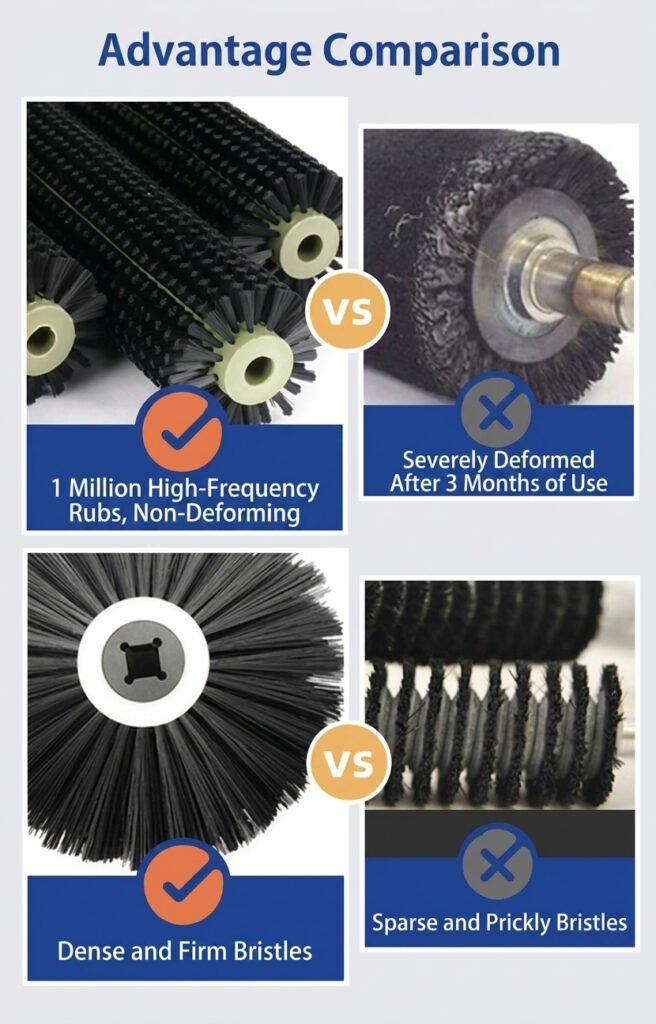
This is one of the main reasons why PCB cleaning machine brush rollers are widely used in high-volume production environments.
Why Choose Us as PCB Roller Brush Supplier
As a professional industrial brush manufacturer, we provide stable and customized solutions for PCB production lines. Our advantages include:
- Factory direct manufacturing and OEM brush manufacturing support for PCB and electronics industries
- Custom size and structure based on machine requirements
- Stable quality control for industrial applications
- Fast production and sample support
- Experience in PCB and electronics manufacturing industry
We focus on long-term industrial use rather than standard off-the-shelf products.
FAQ – PCB Nylon Roller Brush
Q1: What is a PCB nylon roller brush used for?
A PCB nylon roller brush is used in PCB production lines for cleaning surface dust, removing residues, and maintaining board cleanliness during etching, developing, and pre-treatment processes.
Q2: Can nylon roller brushes damage PCB surfaces?
When properly selected, PCB nylon roller brushes will not damage PCB traces. The soft and controlled contact of nylon filaments helps clean the surface while protecting fine circuit patterns.
Q3: What is the difference between with shaft and without shaft PCB roller brush?
A with shaft roller brush is designed for direct installation in automated machines, while a without shaft version is mainly used for OEM replacement or custom assembly integration.
Q4: What materials are used in PCB roller brushes?
Most PCB nylon roller brushes are made from Nylon 6 or Nylon 66, which provide good wear resistance, flexibility, and stable performance in industrial environments.
Q5: How do I choose the right PCB cleaning brush roller?
Selection depends on cleaning process requirements, line speed, surface sensitivity, and machine structure. Softer brushes are used for delicate cleaning, while medium density brushes are used for general industrial applications.
Q6: What filament diameter is commonly used?
Typical filament diameters range from 0.1mm to 0.6mm, depending on cleaning precision and production requirements.
Q7: Why use nylon brush instead of steel brush in PCB cleaning?
Nylon brushes are preferred because they provide controlled cleaning force and reduce the risk of scratching or damaging delicate PCB circuits, unlike steel wire brushes.
Q8: How often should PCB roller brushes be replaced?
Replacement depends on usage intensity. Brushes should be replaced when filament wear or deformation starts affecting cleaning consistency and process stability.